















Adjust in the wall
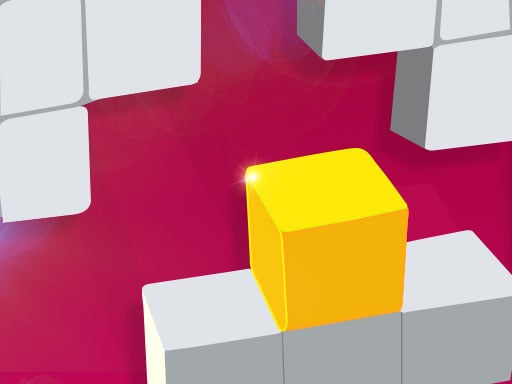
Adjust in the wall is a fast-paced arcade game that tests your timing and reflexes. You guide a free block and try to position it correctly on the wall before it hits the surface. The challenge comes from judging the block's momentum and making a precise move at the right moment. There are no timers or hints to help you, so every decision counts. The physics feel responsive but tricky, making each attempt a fresh test of skill and focus.
How To Play Adjust in the wall
Start by launching the block and watch its path. Your goal is to clean its momentum by moving it into the only correct spot on the wall before it collides. Success depends on careful timing and smooth control. The game keeps things simple and direct, letting you focus on the core challenge of placing the block exactly where it needs to be.
Controls and Features
You can move the block horizontally using the left and right arrow keys or your mouse. The controls are easy to learn but demand precision. The physics feel responsive but tricky, so small adjustments matter. There are no stated features like a timer or hints, which keeps the experience pure and focused on your skill. This makes it a great pick for fans of Arcade Games who enjoy a clean challenge.
Tips
Watch the block's momentum and plan your move carefully. Slow down your reaction and time your action to guide the block into the correct spot without colliding. Patience and steady hands will help you succeed more often.
FAQ
How do I control the block in Adjust in the wall?
Use the left and right arrow keys or your mouse to move the block horizontally. The controls are simple and responsive.
What is the main goal in Adjust in the wall?
The goal is to position the free block correctly on the wall before it collides with the surface.
Does Adjust in the wall have a timer or hints?
No, there are no stated features like a timer or hints. You rely on your own timing and skill.
What makes the physics in Adjust in the wall challenging?
The physics feel responsive but tricky, so small movements have a big impact on the block's path.
About this game
- Supported devices
- Desktop
- Genre
- Arcade Games
- Release date
- 24 October 2024
- Latest update
- 24 October 2024
- Rating
- No ratings yet

Brothers are making a cake

Fruit Rush 2 Game
Hide Or Seek 3D Game
Brothers: the Game
K-Games Challenge
Treasure of Alognov
Blocks Puzzle Wood
Block 3D
Farmer Noob Super Hero
Monster Up

Hole Fire
Trash Factory
Grench vs Santa
Pixelkenstein : Merry Merry Christmas
Squid Candy Challenge
Roblox Block
Chain Cube 2048 3D
Ruin
Chat Master 2
Sokoban Game
Real School Bus Driving
Halloween Link
Amongus.io Online
Squid Craft Online